

Talking about the cost of living used to be a simple conversation.
People would compare rent, groceries, gas prices, and maybe a few extras like utilities or phone bills. Fast-forward to 2025, and the idea of “cost of living” feels like a puzzle with ever-shifting pieces.
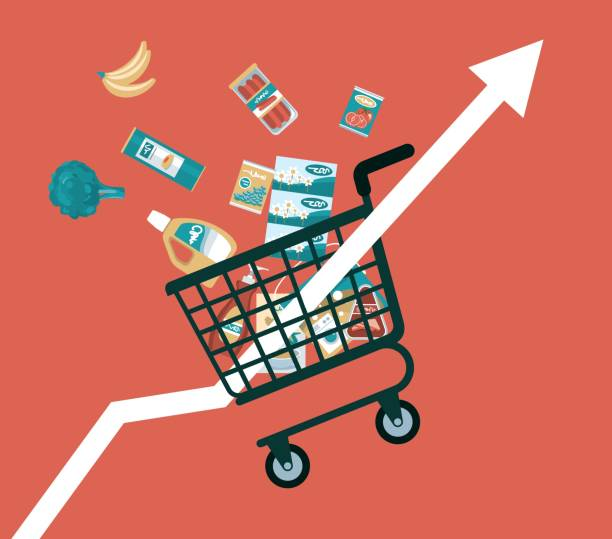
The Real Cost of Living in 2025
Some things have gone up dramatically, others have leveled off, and a few have even dropped thanks to technology or changing lifestyles.
For anyone trying to balance their budget this year, understanding where the real costs lie can make all the difference.
Let’s take a closer look at how living expenses have evolved, what’s draining wallets the fastest, and where people are actually finding savings in 2025.
Housing: Still the Biggest Bite
Housing remains the largest expense for most households, and 2025 hasn’t changed that reality.
Rental prices continue to climb in major cities, although some smaller towns and suburban areas are seeing more stability.
Remote and hybrid work models are still influencing where people choose to live. Many professionals are moving farther away from expensive urban centers to take advantage of lower rents or home prices.
Homeownership, on the other hand, has become more complicated. Rising interest rates throughout the early 2020s made mortgages more expensive.
By 2025, rates have cooled somewhat, but the housing market remains competitive due to limited supply. This combination means that while monthly payments may be slightly more manageable than in previous years, upfront costs and availability continue to be obstacles for many first-time buyers.
Groceries and Everyday Essentials
Food prices are another area where households are feeling the pinch.
Global supply chain disruptions in recent years, combined with climate-related challenges, have pushed up the price of many staples like grains, dairy, and fresh produce. Organic or specialty items remain significantly more expensive, though consumer demand for plant-based and locally sourced foods is keeping those markets active.
Interestingly, technology is offering some relief. Smart shopping apps, bulk buying clubs, and subscription-based grocery services are helping families cut costs. More people are also turning to urban farming and community gardens, which not only lower food expenses but also create a sense of local resilience.
Transportation: Shifting Costs and New Habits
The cost of getting around has taken on new dimensions in 2025.
Gas prices continue to fluctuate, often influenced by global political tensions and supply shifts. For drivers of traditional vehicles, this remains a budget challenge. However, the growing adoption of electric cars is reshaping the picture. While the initial cost of an EV can still be high, government incentives and lower charging costs are making them more affordable over time.
Public transportation systems are expanding in many regions, and subscription-based mobility services—like bike shares, carpooling apps, and on-demand shuttles—are helping urban dwellers save money. The cost of transportation now depends heavily on lifestyle choices, with flexible, eco-friendly options often coming out ahead in affordability.
Utilities and Energy Bills
Energy has always been a variable expense, and 2025 continues the trend of unpredictability.
Households with access to renewable energy solutions, such as solar panels or community-based wind power, are experiencing significant savings. Incentives for green energy adoption are making it easier for families to invest in these technologies. On the flip side, traditional energy bills remain volatile, especially during peak seasons.
Water usage is another factor under the spotlight, particularly in regions facing shortages. Some cities are introducing tiered pricing systems, where heavy users pay significantly more, pushing families to adopt water-saving habits and appliances.
Healthcare: A Persistent Strain
Healthcare costs remain one of the most stressful aspects of modern living.
While technology has made healthcare more accessible through telemedicine and wearable monitoring devices, the cost of insurance and specialized care continues to rise. Prescription drug prices are also a sore point, though increased competition from generic alternatives is providing some relief.
Mental health services are in higher demand than ever, and although awareness and availability have improved, the financial burden of therapy and counseling sessions is a challenge for many households. Employers offering comprehensive healthcare packages have become highly attractive, and individuals are making career choices with benefits in mind as much as salary.
Education and Childcare
For families, education and childcare remain some of the largest line items in the budget.
College tuition continues to outpace inflation, forcing students and families to explore scholarships, online learning platforms, or alternative paths such as trade schools. The rise of hybrid and fully remote learning options has reduced costs for some, but not enough to counteract the long-term debt burden faced by many students.
Childcare, too, remains expensive. In urban areas, the cost of daycare can rival rent payments. Some employers are addressing this by offering childcare stipends or on-site facilities, but for many parents, balancing work and childcare expenses remains a major challenge.
Technology and Subscriptions
One of the quieter but steadily growing expenses in 2025 is technology.
Households now juggle multiple subscriptions—streaming services, cloud storage, online learning platforms, fitness apps, and more. Individually, these costs may seem minor, but together they add up quickly. Many families are reviewing their subscriptions regularly, trimming unused services to free up money for essentials.
On the flip side, technology often reduces costs elsewhere. Virtual communication tools cut travel expenses, AI-powered budgeting apps help people track spending, and smart home devices reduce energy bills. The challenge is balancing convenience with financial discipline.
Entertainment and Lifestyle Choices
Entertainment spending has shifted in interesting ways.
People are spending less on large, extravagant vacations but more on affordable, local experiences. Staycations, outdoor activities, and low-cost hobbies are growing in popularity. Streaming continues to dominate home entertainment, but the cost of maintaining multiple platforms is pushing many to choose between them or share accounts with friends and family.
Dining out is another area where people are adjusting. Instead of frequent restaurant visits, many households are reserving those splurges for special occasions, while cooking at home more often. The rise of meal-prep kits and affordable gourmet options at grocery stores is changing the way people think about food and entertainment combined.
The Role of Inflation
Inflation continues to play a major role in shaping the real cost of living in 2025.
Even though some sectors have stabilized, the lingering effects of the high inflation period in the early 2020s are still felt. Wages have risen, but not always at the same pace as expenses. This creates a gap where households feel squeezed despite earning more on paper.
People are becoming more strategic in their spending habits. Comparison shopping, cashback rewards programs, and bulk purchases are now common tactics for managing everyday inflation pressures.
Regional Differences in Living Costs
Not all cost-of-living challenges are the same everywhere.
Coastal cities still carry premium prices for housing, transportation, and food, while smaller inland towns offer more affordable lifestyles. However, job opportunities and salaries often reflect these differences, making relocation decisions more complex.
Internationally, some countries are experiencing rapid increases in living costs, while others remain relatively affordable. Digital nomads continue to take advantage of lower-cost regions, working remotely while enjoying a higher standard of living compared to their home countries.
The Psychological Side of Costs
Beyond numbers and budgets, the cost of living also carries an emotional weight.
Many households feel a sense of financial anxiety, even if they’re technically meeting their obligations. Constant price changes, headlines about inflation, and uncertainty about the future create stress that impacts decision-making.
Budgeting tools and financial literacy programs are helping people feel more in control. Communities, both online and local, are also playing a role in sharing tips, resources, and even bartering services to offset rising costs.
See more:

 9 Ways to Make Your Money Work Harder for You
  12 Ways to Protect Your Savings in 2026
  12 Money Moves to Survive a Recession