
Throughout history, gold has been the ultimate symbol of wealth, stability, and security. From ancient empires to modern economies, people have turned to gold in times of uncertainty.
Even in today’s digital world filled with cryptocurrencies, stocks, and complex financial instruments, gold still holds its ground as one of the most trusted assets on Earth.
But why does this shiny metal continue to command so much respect? The answer lies in its timeless ability to protect value.
When currencies weaken, markets crash, or inflation rises, gold tends to shine brighter. It’s not just a piece of metal—it’s a form of financial insurance that has stood the test of time.
In a world that feels increasingly unpredictable, understanding why gold remains a safe haven can help you make smarter, more balanced investment decisions.
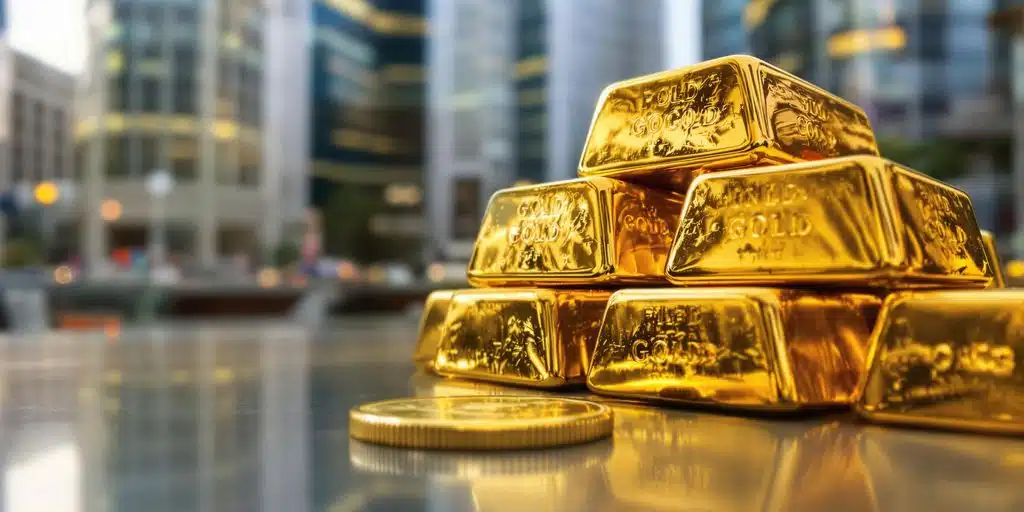
6 Reasons Why Gold Remains a Safe Haven
Here are six powerful reasons why investors still see gold as one of the safest assets you can own.
1. Gold Holds Its Value Over Time
Unlike paper currencies, which lose value as governments print more money, gold has intrinsic worth that doesn’t fade. It’s scarce, tangible, and cannot be created out of thin air. This makes it an enduring store of value that has preserved wealth for centuries.
If you look at history, every major civilization—from the Egyptians to the Romans to modern economies—has valued gold. While the dollar, euro, or yen may fluctuate, an ounce of gold continues to have real purchasing power no matter where you go.
In simple terms: when money loses strength, gold stays strong. That’s what makes it a cornerstone of long-term financial security.
2. It Protects Against Inflation
One of the biggest threats to your wealth is inflation—the gradual rise in prices that erodes the value of your money. When inflation goes up, each dollar buys less, which can eat away at savings and investments.
Gold, however, tends to move in the opposite direction. As inflation rises, gold prices usually increase too. That’s why investors often call it an “inflation hedge.” It acts as a shield that protects your purchasing power when the economy heats up and currency value falls.
During the 1970s, for example, inflation in the U.S. soared, but so did gold prices. The pattern has repeated in various economic crises ever since.
3. It Performs Well During Market Turbulence
When markets turn volatile and investors lose confidence in stocks or bonds, many flock to gold. It’s often seen as a safe harbor in the storm—something that holds value even when everything else is sinking.
During economic downturns or global uncertainty, gold tends to rise because investors seek security. In fact, some of the biggest jumps in gold prices have happened during recessions, wars, and financial crises.
While gold doesn’t pay dividends or interest, its stability makes it incredibly valuable when uncertainty dominates the headlines.
4. It’s a Hedge Against Currency Fluctuations
Currency values can swing wildly due to global trade issues, political instability, or central bank policies. When major currencies like the U.S. dollar weaken, gold typically strengthens. That’s because gold is priced in dollars—so when the dollar drops, gold becomes cheaper for investors using other currencies, driving up demand.
For investors who want to protect their wealth against unpredictable currency moves, gold provides balance and security. It’s one of the few assets that transcends national borders and economic systems.
5. It Offers Portfolio Diversification
A diversified portfolio is a healthy portfolio—and gold plays an essential role in that balance. Its price movements often differ from those of stocks or bonds, meaning it can help stabilize returns.
When the stock market crashes, gold frequently rises, offsetting losses in other assets. Even a small allocation—say, 5% to 10% of your portfolio—can make a noticeable difference in reducing overall volatility.
In other words, gold doesn’t just protect your money; it strengthens your investment strategy by adding balance and resilience.
6. It Carries Universal Trust and Liquidity
One of gold’s greatest strengths is its universal acceptance. No matter where you are in the world, gold is recognized, valued, and easily exchanged. It’s a truly global asset—something that transcends borders, politics, and economies.
Unlike real estate or complex financial products, gold is liquid. You can buy or sell it quickly, whether in physical form or through ETFs and digital platforms. This flexibility makes it one of the most accessible safe-haven investments for both individuals and institutions.
Gold’s combination of trust, tangibility, and liquidity gives it an edge few other assets can match.
Conclusion
Gold’s reputation as a safe haven isn’t a myth—it’s a proven fact reinforced by thousands of years of history. It protects against inflation, shields from market turbulence, and offers stability when currencies falter. More importantly, it serves as a universal store of value that brings peace of mind in uncertain times.
While it’s not meant to replace other investments, gold remains a crucial pillar in a well-balanced portfolio. It doesn’t rely on governments, doesn’t depend on digital systems, and has no expiration date.
Whether the world faces economic downturns, currency crises, or rising inflation, gold continues to do what it’s always done: protect wealth. For investors who value safety, stability, and long-term security, gold remains the ultimate financial anchor.
See more:

 12 Lifestyle Choices That Improve Financial Health
  9 Strategies to Regain Control After Too Much Debt
  10 Steps to Build an Emergency Fund From Zero