
Your financial health is just as important as your physical health. It determines how much freedom, stability, and peace of mind you have in everyday life.
Yet for many people, money feels like a constant source of stress instead of a tool for building security.
The good news is that improving your financial health doesn’t require a massive income or complicated strategies. It comes down to small, consistent habits that add up over time.
The challenge is that money management often feels overwhelming. From bills and debt to savings and investments, it can seem like there’s always something competing for your attention.
But just like exercise or nutrition, the key is routine. When you adopt healthy financial habits and stick with them, you’ll see steady improvement year after year.
The truth is, strong financial health isn’t about perfection—it’s about progress. By building simple habits into your daily and monthly routines, you’ll create a foundation that keeps you on track no matter what life throws your way.

12 Habits That Improve Your Financial Health
Here are twelve powerful habits that can transform the way you manage money and strengthen your financial health.
1. Track Your Spending
The first step to better financial health is knowing exactly where your money goes. Many people underestimate how much they spend, especially on small daily purchases.
By tracking your expenses, you uncover patterns that can be adjusted. Apps, spreadsheets, or even a simple notebook can help. Awareness is the first step toward control.
2. Create and Stick to a Budget
A budget isn’t about restriction—it’s about clarity. Having a plan for your money ensures your needs, wants, and savings goals are balanced.
Whether you use the 50/30/20 rule, zero-based budgeting, or another method, the key is consistency. A budget is like a roadmap that keeps you on course financially.
3. Pay Yourself First
Instead of saving what’s left over after spending, flip the script. Put money into savings or investments as soon as you get paid.
This habit guarantees you’re prioritizing your future, not just your present. Even small amounts saved consistently will grow significantly over time.
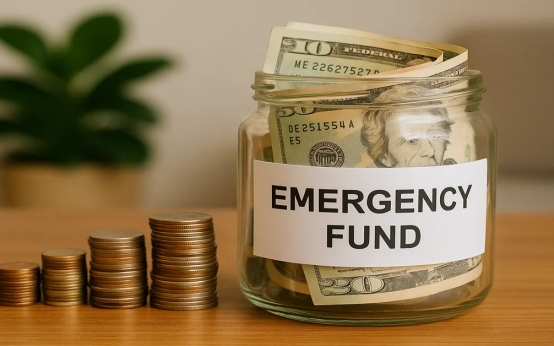
4. Build an Emergency Fund
Unexpected expenses happen to everyone—car repairs, medical bills, job loss. Without a safety net, these events can throw your finances into chaos.
Aim to save at least three to six months of living expenses in a dedicated account. Having this cushion keeps you from relying on high-interest credit when life throws curveballs.
5. Pay Bills on Time
Late payments don’t just lead to fees—they also hurt your credit score. Automating bills or setting reminders ensures you never miss a due date.
This simple habit protects your credit, saves you money, and builds trust with lenders.
6. Reduce High-Interest Debt
Carrying high-interest debt, like credit card balances, drains your financial health. The longer it lingers, the more it eats into your future wealth.
Make it a priority to pay down high-interest debt as quickly as possible. Consider using methods like the avalanche or snowball strategy to stay motivated.
7. Live Below Your Means
Financial health isn’t about how much you earn—it’s about how much you keep. Spending less than you make leaves room for saving, investing, and building long-term security.
This habit builds discipline and ensures you’re always in control, regardless of income level.
8. Automate Savings and Investments
Removing willpower from the equation makes financial habits easier to stick to. By automating transfers into savings or investment accounts, you guarantee progress without constant effort.
Automation builds momentum and helps you grow wealth consistently.
9. Invest for the Long Term
Healthy finances go beyond saving—they require growth. Investing in index funds, retirement accounts, or real estate allows your money to outpace inflation and build wealth over time.
The key is patience. Long-term investing protects you from emotional decisions and market volatility.
10. Review Your Finances Regularly
Set aside time each month to review your budget, spending, savings, and investments. This habit keeps you accountable and allows you to adjust when life changes.
Regular reviews prevent small issues from becoming big problems and give you confidence in your financial direction.
11. Protect Yourself With Insurance
Insurance isn’t exciting, but it’s essential. Health, auto, home, and life insurance protect you from financial disasters that could wipe out years of savings.
Maintaining the right coverage ensures your financial health isn’t destroyed by one unexpected event.
12. Keep Learning About Money
The financial world is always changing, and the more you know, the better choices you make. Read books, listen to podcasts, or follow reliable financial resources to grow your knowledge.
Financial literacy is the ultimate habit because it compounds over time—just like money. The more you learn, the stronger your financial health becomes.
Conclusion
Improving your financial health isn’t about perfection—it’s about building habits that support long-term success. Tracking spending, budgeting, saving first, and reducing debt lay the foundation. Investing, automating, protecting yourself with insurance, and continuing to learn help you grow stronger over time.
The best part is, you don’t need to change everything at once. Start with one or two habits, master them, and then add more. Small steps done consistently create powerful results. Your financial health is in your hands, and with these twelve habits, you can build a future of freedom, security, and peace of mind.
See more:

 12 Lifestyle Choices That Improve Financial Health
  9 Strategies to Regain Control After Too Much Debt
  10 Steps to Build an Emergency Fund From Zero